
How to Pour a Concrete Slab: A Step-by-Step DIY Guide
Pouring a Concrete Slab: A Step-by-Step DIY Guide
Pouring a concrete slab might seem challenging, but with the right guidance, anyone can take on this DIY project successfully. This guide will walk you through each phase of pouring a concrete slab, equipping you with the essential knowledge to complete the task confidently. Whether you're creating a patio, a foundation for a shed, or a driveway, you'll find all the necessary steps, materials, and troubleshooting tips here.
Materials Needed
Before starting, gather these materials:
- Concrete mix (standard or specialized based on project requirements)
- Gravel or crushed stone (for the base layer)
- Rebar or wire mesh (for reinforcement)
- Formwork materials (wood or metal boards)
- Concrete finishing tools (trowel and float)
- Concrete mixer (portable or rented)
- Water source (for mixing concrete and cleaning)
Preparing Your Site
Preparation is crucial for a successful concrete pour. Here’s how to begin:
Clearing and Measuring
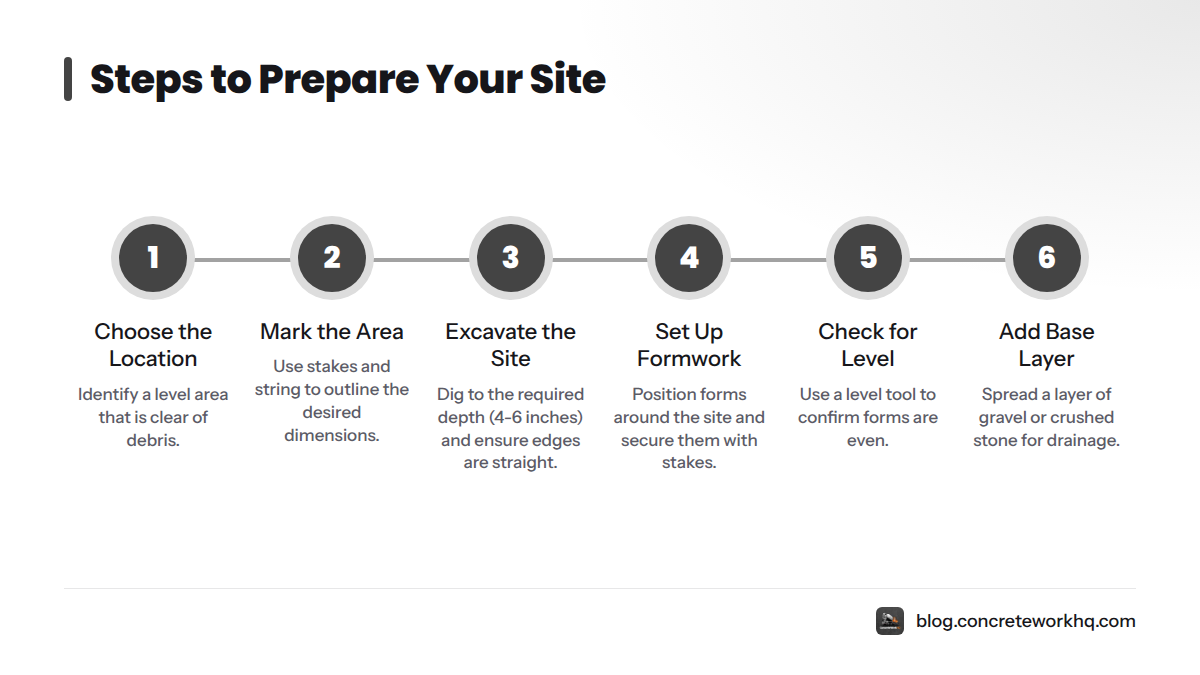
- Choose the Location : Identify a level area that is clear of debris.
- Mark the Area : Use stakes and string to outline the desired dimensions of your slab.
- Excavate the Site : Dig to the required depth (typically 4-6 inches for most slabs). Ensure that the edges are straight and the base is level.
Installing Formwork
- Set Up the Formwork : Position your wooden or metal forms around the excavated area, making sure they are level and secure. Use stakes to hold them in place.
- Check for Level : Confirm that the forms are even using a level tool, adjusting as necessary.
- Add a Base Layer : Spread a layer of gravel or crushed stone, approximately 3-4 inches deep, for proper drainage.
Pouring the Concrete
Now that you're prepared, it's time to mix and pour your concrete.
Mixing Concrete
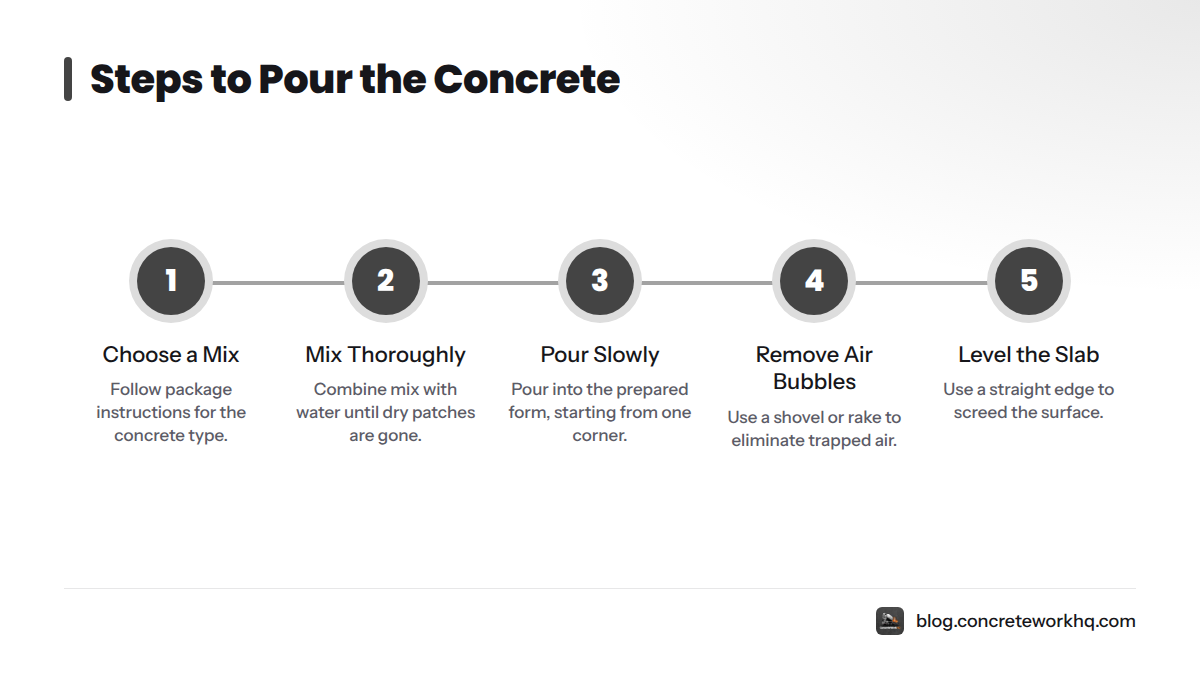
- Choose a Mix : Follow the package instructions for the concrete type you plan to use. A concrete mixer can simplify this process.
- Mix Thoroughly : Combine the concrete mix with water in the mixer until there are no dry patches. Aim for a consistency similar to thick oatmeal.
Pouring Techniques
- Pour Slowly : Pour the mixed concrete into the prepared form, starting from one corner and working across.
- Remove Air Bubbles : While pouring, use a shovel or rake to move the concrete around and eliminate any trapped air bubbles.
- Level the Slab : Once filled, use a straight edge (like a 2x4) to screed the surface, leveling it with the tops of the formwork.
Finishing the Surface
After pouring, it's essential to finish the slab's surface for durability and appearance.
Smoothing and Curing
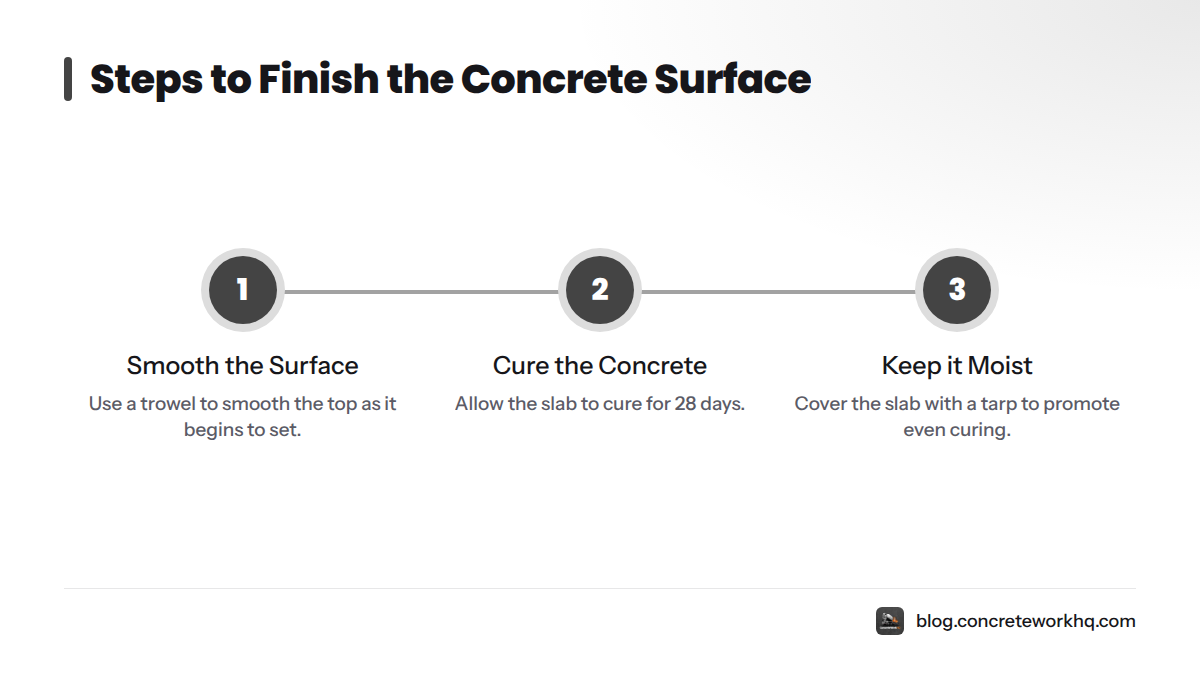
- Smooth the Surface : Use a trowel to smooth the top once the concrete begins to set. A float can help achieve a polished finish.
- Cure the Concrete : Allow the slab to cure properly; the ideal curing time is 28 days, but you can walk on it after 24-48 hours, depending on environmental conditions.
- Keep it Moist : Cover the slab with a tarp or keep it wet to promote even curing.
Troubleshooting Common Issues
Even the best plans can encounter issues. Here are solutions to some common problems:
- Cracking : To prevent cracks, ensure proper drainage and use reinforcement materials.
- Uneven surface : If the slab is uneven, remedy this by sanding down high spots or filling low spots with additional concrete.
- Curing problems : In warmer temperatures, keep the slab moist; rapid drying can lead to surface issues.
Frequently Asked Questions
What is the best concrete mix for slabs? A standard ready-mix with a minimum strength of 3000 psi is generally the best choice. Specialty mixes are available for specific applications.
How thick should a concrete slab be? For most residential applications, slabs should typically be at least four inches thick.
Can you pour concrete in the rain? It's usually not advisable to pour concrete in the rain, as it can weaken the final product. Wait for a dry day if possible.
How long before I can walk on my new concrete slab? Most concrete slabs can be walked on after 24-48 hours, but full curing may take up to 28 days.
Can I add color to concrete while pouring? Yes, you can incorporate color additives specifically designed for concrete mixes.
Conclusion
Pouring a concrete slab is an attainable goal for any DIY enthusiast. With careful planning, the right materials, and adherence to the outlined steps, you'll create a durable slab that meets your needs for years to come. For more insights and tips on related projects, check out our articles on how to pour a concrete patio slab and how to pour a concrete driveway.